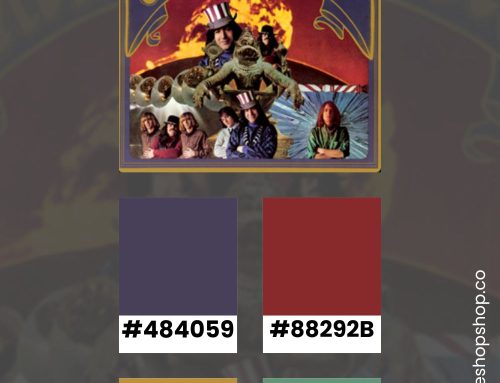
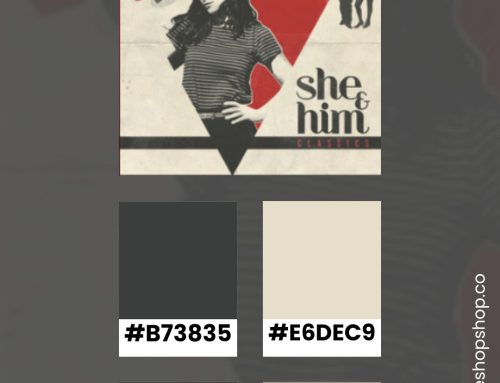
Enya’s music is well known for its drama and romance — something her album cover art conveys. Looking at the designs, you know exactly what to expect from the songs. If you dissect the designs, all use whimsical fonts, dramatic photography techniques, and classic, theatrical colors. This aligns her work visually with the sound — a perfect match for the eyes and ears.
How Color Theory Can Create Romance
Color theory is a fundamental aspect of graphic design that significantly influences how a design is perceived and the message it conveys. At its core, color theory is a set of principles used to create harmonious color combinations. These principles are derived from the color wheel, which organizes colors in a circular format to show the relationship between primary, secondary, and tertiary colors. Understanding these relationships helps designers create visually appealing and effective designs that can evoke specific emotions and reactions from their audience.

One of the primary reasons color theory is essential in graphic design is its ability to communicate non-verbal messages. Colors have psychological effects that can influence mood and perception. For instance, red is often associated with passion, urgency, or danger, while blue tends to evoke feelings of calmness and trust. By carefully selecting colors, designers can enhance the emotional impact of their work, making it more engaging and memorable. For example, a brand that wants to appear trustworthy and professional might use a blue color palette, while a brand targeting a youthful and energetic audience might opt for vibrant and bold colors.


Red
Red remains an eye-grabbing color. In the past, red was often added as a spot color in print. It stood out in black-and-white advertisements. You’ll often see red as the core color for a long-established brand. People usually associate this color with:
- Lust
- Power
- Excitement
- Love
- Anger
Red is typically seen as a color of attraction for several reasons. Historically, it’s been largely touted as a sexually appealing tone for women. Red lipstick and red dresses are lauded in women’s magazines as eye-catching. For Enya’s cover art, it reveals the passionate tone of the music.
Blue
Light and bright blues are linked to drama and energy. Dark blues are corporate and institutional. Brands frequently use this color because it’s safe without being as harsh as black. People usually associate this color with:
- Masculinity
- Stability
- High Quality
In the case of Enya’s album covers, it adds an icy visual flair. By choosing a mix of dark and light blues, the designs echo the chill of winter and magic of night.
Contrast in the Designs
Color theory plays a crucial role in creating visual hierarchy and readability. Effective use of color can guide the viewer’s eye to important elements within a design, ensuring that the most critical information stands out. Contrast, an element of color theory, is particularly important in this context. High contrast between text and background colors enhances readability, making the content more accessible to a wider audience.
Additionally, complementary colors, which are opposite each other on the color wheel, can be used to create striking and aesthetically pleasing designs that capture attention. You can see this throughout her cover art both in the color choices and in the photographic decisions.
Color Palettes Inspired by Enya’s Album Cover Art
I listened to each album while I was working and created a color palette inspired by each album’s cover art. In general, the colors are classic tones in dramatic pairing. Red and blue feature prominently in all the designs. Her romantic album covers feature versatile hues for classic, theatrical brands.
Enya

The Celts (Enya re-issued)

Watermark

Shepherd Moons

The Memory of Trees

A Day Without Rain

Amarantine

And Winter Came…

Dark Sky Island

Stay Inspired
Mastering color theory is indispensable for graphic designers aiming to create impactful and effective designs. It not only aids in conveying the intended message and evoking the desired emotional response but also enhances the overall visual appeal and functionality of the design. By understanding and applying the principles of color theory, designers can ensure their work resonates with the target audience and achieves its intended purpose. If you enjoyed this color inspiration, visit my Pinterest profile. I regularly pin color combinations with hex codes.
Additional Reading